

The last few years have been extraordinary for both AI and camera technology.
Today’s AI models can create wildlife images so convincing that, at first glance, many people couldn’t tell whether they were photographed or generated. At the same time, modern cameras have become almost magical. Animal eye autofocus locks onto a leopard hidden in the shadows. Image stabilization lets you handhold shots that once required a tripod. Sensors can capture detail in conditions that would have been impossible only a decade ago.
On my recent safari in Kenya, I found myself photographing lions, elephants and leopards in light that my first DSLR simply couldn’t have handled. Images that would once have been blurry or lost to darkness are now crisp, sharp and full of detail.
The technology has changed dramatically. Something much more important hasn’t. The best part of photography was never pressing the shutter. It was the hours before it.
It was leaving camp before sunrise, wondering whether today would be the day. It was hearing your guide quietly say, “I think there’s something over there.” It was waiting with complete silence as a leopard slowly emerged from long grass. It was watching elephants interact with each other, learning their behaviour, anticipating where they might move next.
Sometimes it meant driving for hours without taking a single memorable photograph. Sometimes it meant being rewarded with ten unforgettable seconds. Those moments are what stay with you.
Every favourite photograph on my wall has a story attached to it. I remember the conversation in the vehicle. I remember the smell after the rain. I remember how everyone collectively held their breath. I remember the excitement when someone spotted movement in the bushes that nobody else had seen.
The photograph is almost a souvenir. The real treasure is the memory.
That’s why I don’t think AI replaces photography.
In many ways, AI will become another remarkable creative tool. It will help us edit, organise, search, restore and even imagine. Camera technology will continue improving too. Autofocus will become smarter. Low-light performance will become astonishing. Maybe one day cameras will perfectly identify behaviour before it even happens.
None of that reduces the value of actually being there.
In fact, it makes me value the experience even more.
When anyone can generate a technically perfect lion portrait in seconds, the image itself becomes less scarce. The experience becomes more valuable.

– Being cold at sunrise while watching the cutest interactions.

– Looking for the next shot with your guide.

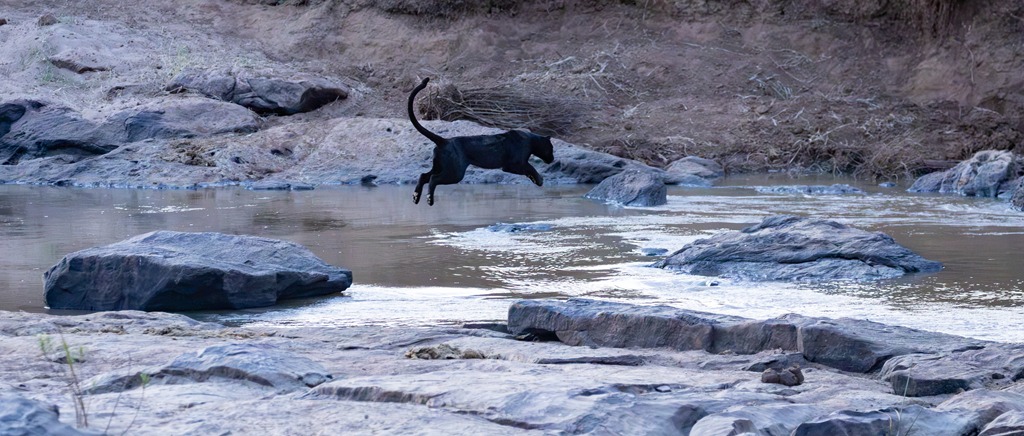
– Watching nature unfold without knowing what happens next.

– Feeling your heart race as a leopard suddenly starts running.
No prompt can recreate that.
Photography has always been about freezing a moment in time. AI can create beautiful pixels.
It can’t create the anticipation.
It can’t create the uncertainty.
It can’t create the stories.
And years from now, when I look back through my safari photographs, I won’t remember which autofocus mode I used or how many stops of noise reduction the camera applied.
I’ll remember where I was standing, who I shared the moment with and how incredibly lucky I felt to witness it.
That’s something no algorithm can generate.
AI may eventually create photographs indistinguishable from mine. But it will never come home with the memories that made them worth taking